Digitising Onsite Inspection Forms for Enhanced Efficiency
Project information
- Category: App design
- Client: Valocity Global
Background
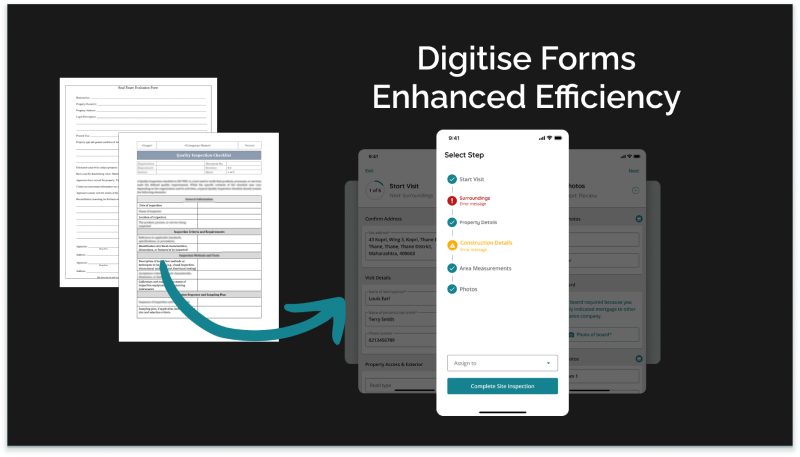
Traditionally, onsite inspection procedures relied heavily on paper-based forms, which were cumbersome, time-consuming, and prone to errors. Recognizing the inefficiencies inherent in this process, our goal was to streamline and modernise the inspection workflow by Digitising the paper-based forms. The primary objective was to save inspectors time and enhance their productivity while ensuring accuracy and accessibility.
Identifying Challenges
The transition from paper-based forms to a digital platform posed several challenges:
User Adoption Inspectors were accustomed to the familiarity of paper forms, so the digital solution needed to be intuitive and user-friendly to encourage adoption.
Time Efficiency The digital solution had to significantly reduce the time required to complete inspections compared to the manual process.
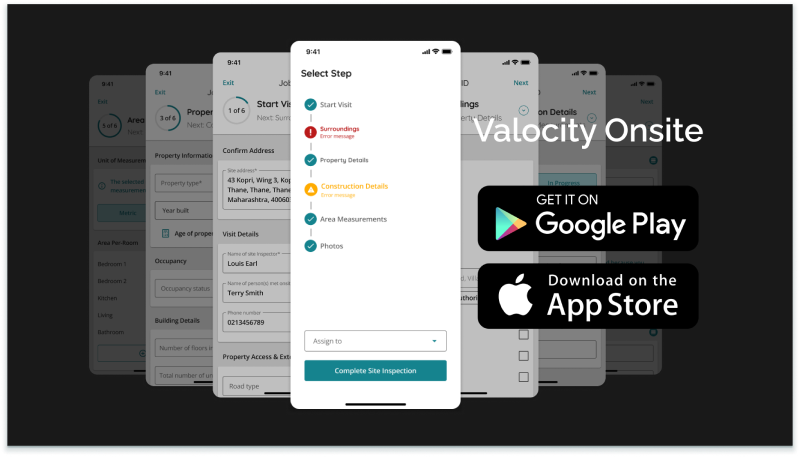
Platform Accessibility The solution needed to be available on both iOS and Android platforms to cater to a diverse range of users.
Approach
Research and Analysis We conducted extensive research to understand the existing inspection process, pain points, and user needs. This involved observing inspectors workflow, and analysing feedback from stakeholders.
Design Iteration Based on our research findings, we iteratively designed and tested prototypes to refine the user interface and optimise the user experience. We focused on simplifying complex forms, minimising user inputs, and incorporating features such as pre populated fields and autocomplete textboxes to expedite data entry.
Development and Testing Once the design was finalised, our development team built the mobile application, ensuring cross-platform compatibility and seamless integration with backend systems. Rigorous testing was conducted to identify and address any bugs or usability issues.
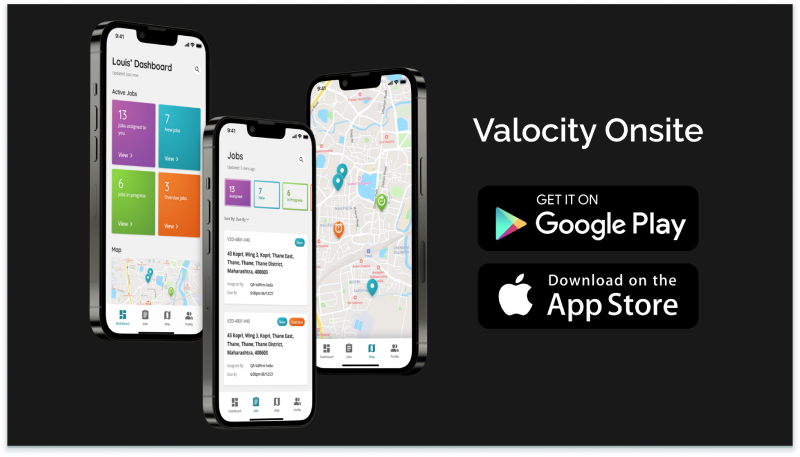
Deployment The digital inspection app is being deployed on both Google Play Store and the App Store, making it accessible to inspectors on various devices.
Results
The Digitisation of onsite inspection forms should yielded significant improvements in efficiency and user satisfaction:
Time Savings Stakeholders believe inspectors will find a considerable reduction in the time required to complete inspections, thanks to features such as pre populated fields, autocomplete textboxes, and streamlined navigation.
Enhanced Productivity With the mobile app, inspectors should complete their jobs more efficiently, allowing them to handle a higher volume of inspections within the same timeframe.
User Empowerment Inspectors will appreciate the convenience and flexibility of having access to the inspection forms on their mobile devices, enabling them to work onsite without relying on paper-based documents.
Conclusion
By Digitising onsite inspection forms and deploying a user-friendly mobile application, we would have successfully addressed the challenges associated with traditional paper-based workflows. The new digital solution will not only save inspectors time but also empower them to perform their jobs more effectively. Moving forward,we remain committed to continuous improvement and innovation to further enhance the user experience and maximise efficiency in onsite inspections.
My Learnings
Working on the project to digitise onsite inspection forms for Valocity Global provided invaluable learning experiences, especially in my first-time endeavour in designing for mobile apps on both iOS and Android platforms. While navigating the challenges inherent in this new territory, such as understanding platform-specific design guidelines and ensuring cross-platform compatibility, I recognized the potential for further improvement. Given more time, I would have focused on updating the design system to incorporate components compatible with Flutter, the framework used by developers. This adjustment would not only streamline the development process but also ensure consistency and efficiency across platforms. Integrating components tailored to Flutter would have facilitated smoother collaboration between design and development teams, ultimately resulting in a more cohesive and polished final product. This experience underscores the importance of adaptability and continuous refinement in the pursuit of delivering optimal user experiences in the ever-evolving landscape of digital design.